Will My Car Pass Smog with an Aftermarket Intake Installed
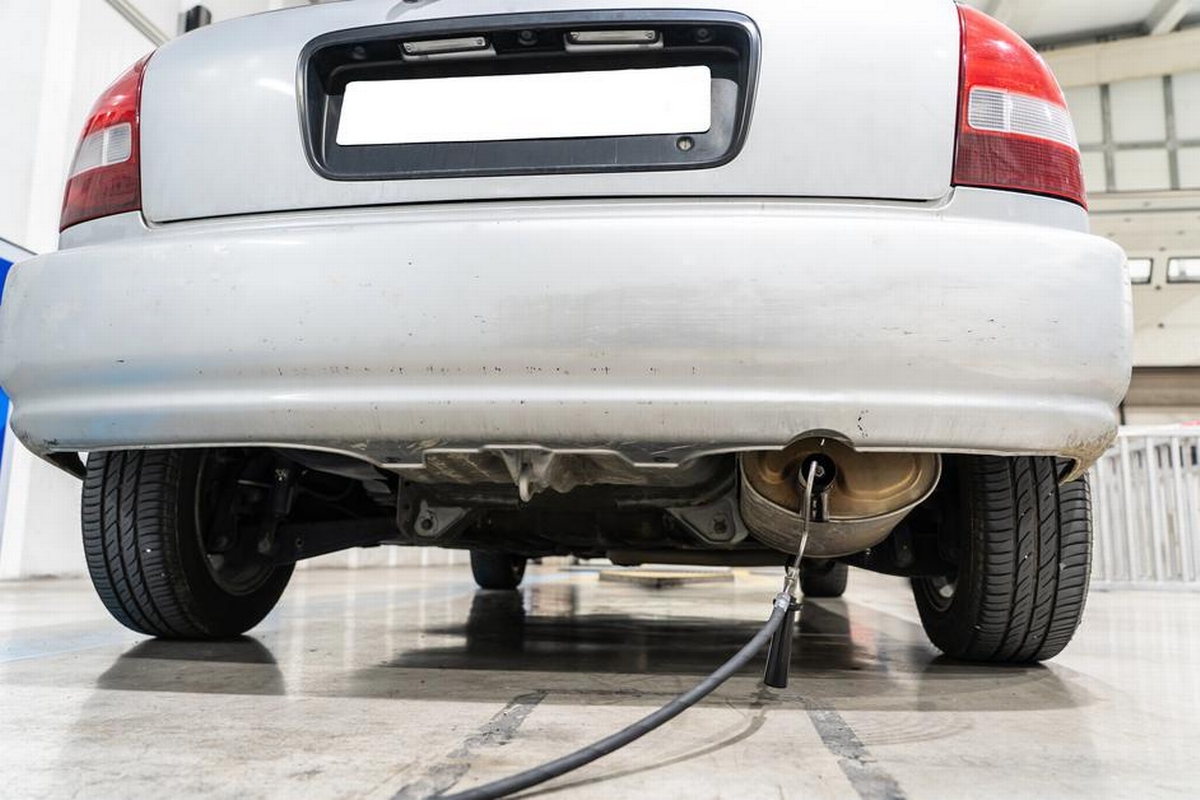
Driving a car in today's world isn't just about arriving at your destination efficiently; it's also about contributing to a cleaner environment. Regular emission testing, often referred to as a smog test, is a crucial part of keeping our air clean and ensuring vehicles meet certain environmental standards. But if you've recently modified your vehicle with an aftermarket intake, you might be asking, "Will my car pass smog with an aftermarket intake installed?" Understanding the implications of such modifications is essential before heading to your next auto repair in Wausau.
Aftermarket modifications, like installing a new intake, are typically made to enhance vehicle performance. Drivers might seek better air flow, increased horsepower, or even a more aggressive sound from their engine. However, when it comes to passing a smog test, these improvements might come with some challenges. Performance enhancements can influence the emissions profile of a car, and if not carefully managed, they may lead to failed emission tests. As we delve further, we'll explore how these changes might impact your smog test results and what you can do about it.
Understanding Smog Tests and Aftermarket Intakes
A smog test is essentially a series of assessments conducted on a vehicle to ensure it does not emit harmful levels of pollutants into the atmosphere. These tests measure the levels of nitrogen oxides (NOx), hydrocarbons (HC), carbon monoxide (CO), and other pollutants that contribute to air pollution. When you modify your car with an aftermarket intake, it can affect how air flows through your engine, which can directly influence the emissions levels.
Aftermarket intakes generally increase the volume of air entering the engine, which can alter the air-fuel ratio. In many cases, this can cause an engine to run lean, meaning there is more air than the optimal amount needed for combustion. When an engine runs lean, it can increase NOx emissions, one of the key pollutants tested during a smog test. So, the question resurfaces: will my car pass smog with an aftermarket intake installed?
The Impact of Aftermarket Intakes on Emissions
While some aftermarket intakes may still allow a car to pass the smog test, it's important to understand that not all are created equal. Manufacturers design many of these intakes to comply with emissions regulations. However, improper installation or incorrect tuning can negate these benefits, leading to higher emissions.
Cars equipped with onboard diagnostics (OBD-II systems) can often adjust to changes in air flow, maintaining a proper air-fuel mixture and keeping emissions levels within limits. It’s also worth considering that some aftermarket intakes come with additional components or require specific tuning to ensure emissions remain compliant.
Legal Considerations and Compliance
When asking, "Will my car pass smog with an aftermarket intake installed?" it's crucial to also consider the legal aspect. Many regions, including parts of Wausau, require aftermarket intakes and other modifications to be certified by the California Air Resources Board (CARB) to be legal for street use. Certifications ensure that after the modifications, the vehicle still meets emissions standards.
To make sure you're in compliance, you should do the following:
- Research: Verify that the aftermarket intake you're considering is CARB-certified or deemed street legal in your area. This information is typically found on the product description or the manufacturer's website.
- Keep Documentation: If your part is certified, keeping a copy of the certification or any related documents in your vehicle can be handy if you need to show proof of compliance.
- Professional Installation: Having the intake installed by a professional can prevent potential tuning issues that might inadvertently increase emissions. Use reputable auto repair services familiar with local regulations to ensure you're on the right track.
Mitigating the Risks of Modifications
The right preparation and professional help can ensure that modifications don't hinder your vehicle's ability to pass a smog test. Before your next testing, consider the following strategies:
- Regular Maintenance: Keep your vehicle in top shape. Regular oil changes, filter replacements, and maintenance of critical emission systems can mitigate the impact of modifications.
- Diagnostic Checks: Periodic diagnostic checks can alert you to any issues caused by aftermarket modifications and help fix them well before a smog test.
- Consulting Experts: Speak with professionals with specific experience in car modification and smog testing. Experts in auto collision repair in Wausau can offer tailored advice specific to your local requirements.
Real-World Experiences with Aftermarket Intakes
Many drivers have shared insights from their experiences with aftermarket intakes and smog tests. Some found that their cars passed without issues, while others had to invest in additional tuning to meet emissions standards. This variability highlights the importance of understanding how different aftermarket parts can affect emissions.
One Wausau resident noted that their vehicle required a specific tuning chip that coordinated with the aftermarket intake to optimize the power while maintaining standard emissions. Remember, what works for one vehicle might not for another. This adaptability further emphasizes the need for professional guidance when modifying your vehicle's engine components.
What If Your Car Does Not Pass?
Even with the best preparations, there are instances where a car might not pass due to aftermarket modifications. If this happens, it would be prudent to consult a professional about retuning or modifications that could help. Sometimes, adjustments or even returning to the original intake might be the best short-term solution.
For instance, if you're in Wausau and find yourself needing assistance after a failed smog test, taking your vehicle to a service car center could provide solutions tailored to your situation. Some centers even offer loaner vehicles in case your car requires extended repairs or adjustments.
Drive Smarter and Cleaner
Whether or not an aftermarket intake is worth the potential smog test complications is a personal decision. It's essential to weigh the benefits of performance improvements against the possible hassle of emissions compliance. If you decide to proceed with an aftermarket installation, remain vigilant about compliance and upkeep.
For those facing challenges with smog compliance or requiring professional advice on modifications, BRB Auto Body in Wausau can offer comprehensive services and insights. Ensuring your vehicle meets emissions standards while retaining its enhanced performance can be a seamless process with expert guidance. Don't let uncertainties about aftermarket modifications keep you from enjoying your vehicle to the fullest. Reach out to BRB Auto Body's knowledgeable team and make informed decisions for your car's future.